


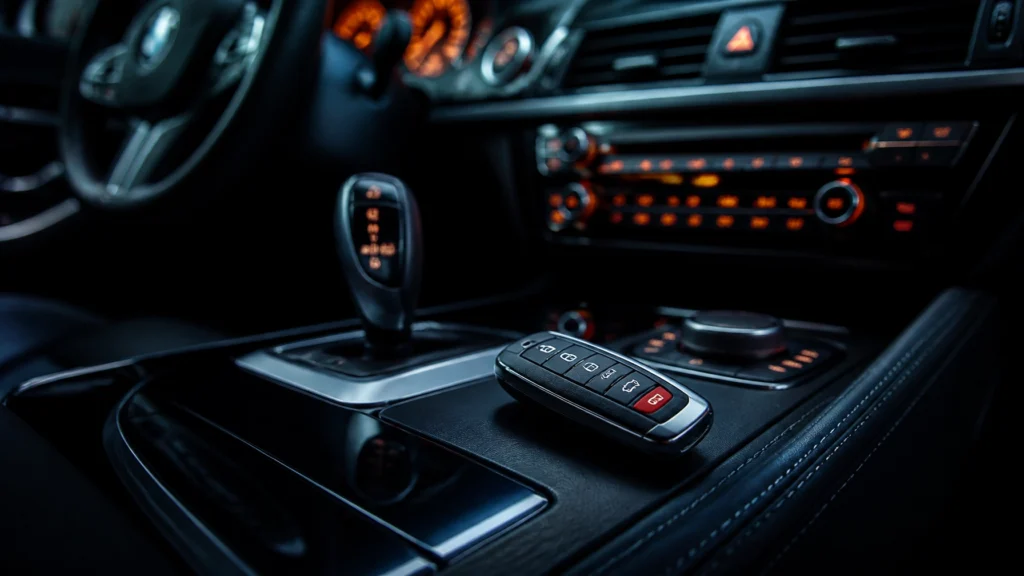
Earlier today, we attended a call-out that serves as a stark reminder of how car key theft has evolved. A local property had been broken into. The thieves weren't interested in the TV, the jewellery, or the electronics. They were there for one thing: the car keys. The customer's purse, with cash and cards still inside, was sitting right next to the keys and was completely untouched, proving the thieves were only after the keys, not valuables.
By the time the owners realized what had happened, three sets of keys were gone. Two cars had already been driven off the driveway. A third vehicle was left behind, but the owner was stranded with no way to start it and the terrifying knowledge that the thieves still had a working key to their remaining car. We were also told that one of the stolen cars was then used to commit further burglaries elsewhere in the village.
We were able to attend quickly, program two new keys, and: most importantly: delete the stolen keys from the vehicle’s memory. This ensured that even if the thieves returned, those stolen keys were now useless pieces of plastic.
This scenario is becoming increasingly common. In this post, we’ll break down why thieves are targeting keys, what you should do if car key theft happens to you, and how a layered security approach can prevent your car from leaving the drive in the first place.
Why Car Key Theft Happens
Modern vehicles are incredibly difficult to "hot-wire" in the traditional sense. The days of smashing a window and joining two wires together are long gone. Today, cars are mobile computers protected by sophisticated immobiliser systems.
Thieves have two main ways to bypass these systems:
- Relay Attacks: Using electronic devices to "sniff" the signal from your keyless entry fob while it sits inside your house, tricking the car into thinking the key is right next to it.
- Key Theft: The "old-school" way. Breaking into a home specifically to grab the keys from a hook or a bowl near the front door.
Car key theft is often preferred by organized gangs because it gives them full control of the vehicle without needing expensive signal-boosting tech. Once they have the physical key, they have your car.
What to Do After Car Key Theft
If you find yourself in the position of our customer today, time is of the essence. Your car is at its most vulnerable in the hours immediately following a break-in.
1. Secure the Vehicle
If the thieves left a vehicle behind but took the keys, try to block it in with another car or a physical barrier if possible.
2. Call a Specialist Auto Locksmith
Don't wait for a main dealer. A main dealer will often require you to tow the car to them and may have a lead time of days or weeks for replacement parts. At MH Automotive, our mobile car key programming service comes to you.
3. Delete Stolen Keys
This is the most critical step after car key theft. We use dealer-level diagnostic equipment to access your car’s ECU (Engine Control Unit). We can see exactly how many keys are programmed to the car and digitally "kill" the ones that are missing. This provides immediate peace of mind.

How to Prevent Car Key Theft with Layered Security
While we can help you recover after a theft, the goal is to stop the thieves from moving the car at all. We recommend a "Layered Security" approach. One device is good; three integrated layers are nearly unbeatable.
Layer 1: The CAN-Phantom Immobiliser (Prevention)
The CAN-Phantom immobiliser is the gold standard for vehicle security. Unlike a traditional alarm, it sits on the vehicle's "brain" (the CAN bus).
Even if a thief has your physical keys or has successfully cloned your signal, the car will not start until a unique PIN code is entered using the existing buttons on your dashboard or steering wheel. It is hidden, undetectable by thieves, and stops the car from being driven away: period.

Layer 2: Professional Trackers (Recovery)
If a thief is determined enough to tow your vehicle away, a tracker is your best bet for recovery. High-quality trackers provide real-time GPS data to the police. While the CAN-Phantom prevents the car from being driven, a tracker ensures that if the vehicle is moved by other means, it won't stay missing for long.
Layer 3: Hardwired Dash Cams (Evidence)
A professionally fitted dash cam serves two purposes. First, the visible presence of a camera can act as a deterrent. Second, if a break-in does occur, a hardwired system with "Parking Mode" can capture high-definition footage of the suspects even when the engine is off.

Practical Tips to Reduce Car Key Theft Risk
Technical solutions are vital, but simple habits can make your home a much less attractive target:
- The "Bowl" Rule: Never leave your car keys in a bowl, on a hook, or on a side table near the front door. Keep them upstairs or in a secure, hidden location.
- Faraday Pouches: If you have a keyless entry car, keep your fobs in a signal-blocking Faraday pouch at all times when not in use. Secured by Design also recommends practical home security measures that make opportunist entry harder.
- Security Lighting: Bright, motion-activated lights are a burglar's worst enemy.
- Physical Deterrents: Steering locks and driveway bollards add another time-consuming hurdle for thieves.
Expert Support When You Need It Most
With over 20 years of technical experience, we’ve seen how car key theft tactics have changed. Whether you’ve lost your keys, had them stolen, or simply want to upgrade your vehicle's security before the worst happens, we are here to help.
Our mobile service covers Carlisle, the Lake District, and the surrounding areas. We bring dealer-level software and professional expertise directly to your driveway, ensuring your vehicle is secure and you're back on the road with minimal stress.

Need a security check or replacement keys?
Get in touch with Greg today for a fixed-price quote and professional advice.
